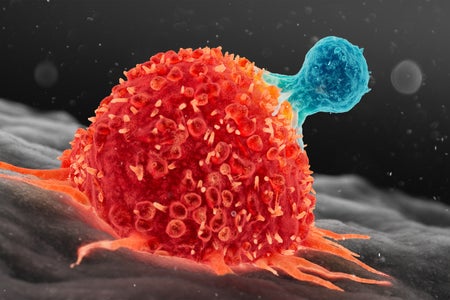
Scientists Found a Way to Supercharge Cancer-Fighting Cells
The bioengineered immune players called CAR T cells last longer and work better if pumped up with a large dose of a protein that makes them resemble stem cells
Sara Reardon is a freelance journalist based in Bozeman, Mont. She is a former staff reporter at Nature, New Scientist and Science and has a master's degree in molecular biology.
Scientists Found a Way to Supercharge Cancer-Fighting Cells
The bioengineered immune players called CAR T cells last longer and work better if pumped up with a large dose of a protein that makes them resemble stem cells

First Weight-Loss Drug Gets Approval for Heart Disease. Here’s What We Know
The FDA recently approved semaglutide (Wegovy) for preventing serious heart conditions in some people, but questions remain about how it works

First-of-Its-Kind Procedure Uses Pig Liver to Filter Human’s Blood
A genetically modified pig liver successfully filtered the blood of a human who had completely lost brain activity and did so for three days. The achievement offers a potential temporary treatment for people with acute liver failure

Ancient DNA Reveals Origins of Multiple Sclerosis in Europe
A huge cache of ancient genomes spanning tens of thousands of years reveals the roots of traits in modern Europeans

New At-Home STI Test Could Help Stop the Spread of Infection
Experts hope a recent FDA approval for the first commercial at-home test for sexually transmitted diseases may help increase access to testing and curb rising rates

FDA Approves First CRISPR Gene Editing Treatment for Sickle Cell Disease
Most people with sickle cell disease who received a new gene editing treatment saw their pain resolve for at least one year, but longer follow up is needed

Weight-Loss Drug Wegovy Slashes Risk of Death in Some People with Heart Disease
The active ingredient in Wegovy and Ozempic reduced the risk of heart attacks and strokes in a large trial of people with cardiovascular disease who were considered overweight or had obesity, but the cost and side effects remain barriers
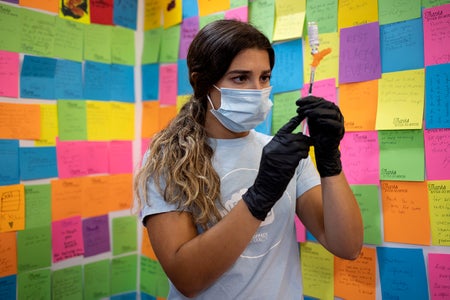
Is the Novavax COVID Vaccine Better Than mRNA Vaccines? What We Know So Far
Novavax’s protein-based vaccine is the latest FDA-authorized COVID booster available this fall. Here’s what you should know

‘Morning After’ Antibiotic Could Reduce STIs
Draft CDC guidelines recommend doxycycline for the prevention of sexually transmitted infections in some populations

Octopuses Used in Research Could Receive Same Protections as Monkeys
For the first time in the U.S., research with cephalopods might require approval by an ethics committee

Blood Clotting Proteins Might Help Predict Long COVID Brain Fog
New research suggests that blood clotting from COVID infections could contribute to long-term brain fog and other cognitive issues
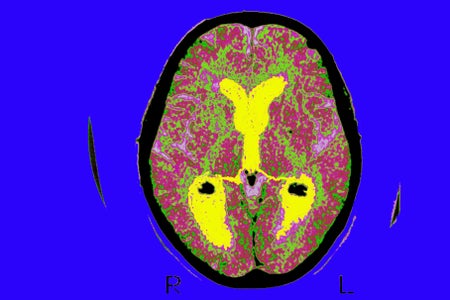
Alzheimer’s Drug Donanemab Helps Most When Taken Early in Disease
An Alzheimer’s drug that attacks the protein amyloid does not work as well in people with more advanced disease

Could New Weight-Loss Drugs like Ozempic Treat Addiction?
Ozempic and similar medications may target brain circuitry involved in addiction as well as appetite control

AI Chatbots Could Help Provide Therapy, but Caution Is Needed
Therapy apps are incorporating AI programs such as ChatGPT. But such programs could provide unvetted or harmful feedback if they’re not well regulated

How One Man’s Rare Alzheimer’s Mutation Delayed the Onset of Disease
Genetic resilience found in a person predisposed to early-onset dementia could potentially lead to new treatments
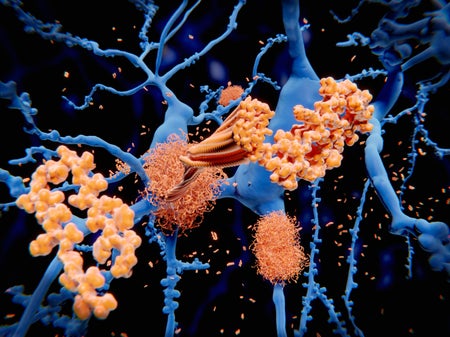
Another New Alzheimer’s Drug: What Promising Trial Results Mean for Treatment
Findings suggest that the amyloid-targeting drug candidate slows cognitive decline in some people, but questions remain over its potential side effects

What Makes a Mammal? 423,000 Newly Identified DNA Regions Guide Our Genes
These elements, dubbed “UNICORNs,” sit close to genes that affect smell, sleep and ways that people and other mammals interact with their surroundings

How the Mifepristone Ruling Could Affect Abortion Access
A federal judge in Texas ruled to withdraw the Food and Drug Administration’s approval of the abortion drug mifepristone, potentially making medication abortion less accessible nationwide

AI Chatbots Can Diagnose Medical Conditions at Home. How Good Are They?
As more people turn to chat-based AIs for medical advice, it remains to be seen how these tools stack up against—or could complement—human doctors
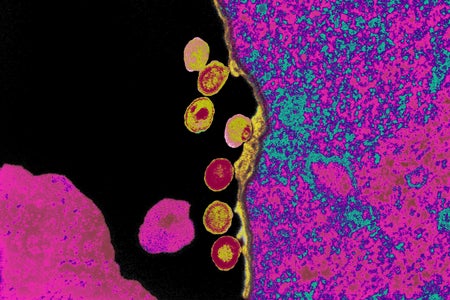
Another Patient Is Free of HIV after Receiving Virus-Resistant Cells
The risks associated with a bone marrow transplant used to treat HIV mean the procedure is unlikely to be widely used in its current form

What Does the Future of Monkeypox Look Like?
With cases declining in the U.S. and Europe, here are some scenarios of how the outbreak might play out

First U.S. Polio Case in Nearly a Decade Highlights the Importance of Vaccination
An unvaccinated person in New York State’s Rockland County developed paralysis from a polio infection, emphasizing the need to target vaccination efforts to vulnerable communities

Why is Monkeypox Evolving So Fast?
The virus circulating in the current outbreak has mutated 50 times in the past four years
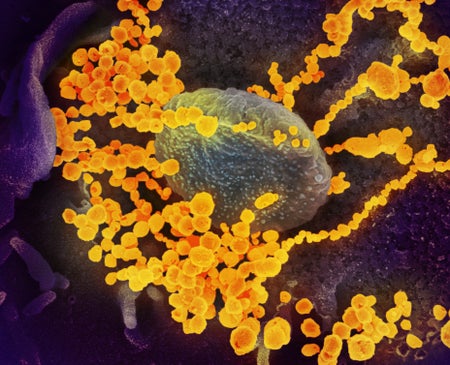
This AI Tool Could Predict the Next Coronavirus Variant
The model, which uses machine learning to track the fitness of different viral strains, accurately predicted the rise of Omicron’s BA.2 subvariant and the Alpha variant